Choosing among astronomy eyepieces & filters starts with a practical question: do you want a conventional viewing accessory, or an electronic eyepiece that puts the view on a screen and records it? The Telescope Eyepiece Camera for Astronomy is aimed at the second use, with a 4K display-oriented design for observing and capturing the moon and planets.
Quick verdict
At USD 42.10, the Telescope Eyepiece Camera for Astronomy is a focused choice for shoppers who want live viewing and recording in one electronic accessory. Its 3-inch color display, built-in battery, Type-C charging port, and five levels of digital zoom give it a clear screen-based workflow. The main compromise is storage: a memory card is not included, and the listed maximum support is 128GB.
Who it suits
This camera makes the most sense when the goal is to view a telescope scene on a built-in screen and save footage rather than simply look through an optical eyepiece. The description specifically highlights images and videos of the moon and planets, so that use case is a direct match. A built-in battery also keeps the core viewing device self-contained, while Type-C charging provides the stated charging connection.
It is less suited to a shopper whose main goal is choosing a standalone nebula filter, moon filter, or a conventional wide-angle eyepiece. The listed design centers on electronic viewing, digital zoom, and recording instead.
What stands out
The 4K resolution and 3-inch color display are the headline features. Together, they make the camera's purpose easy to understand: frame an astronomical subject, view it on the screen, and record it. The five-level digital zoom adds an adjustable control without requiring a separate zoom accessory.
The listed objective lens diameter range is 22mm to 46mm, and the dark field-of-view range is 0.5m to 800m. Those are useful specifications to keep in mind when judging whether the camera fits a particular viewing setup, but the numbers alone do not establish a performance advantage.
Telescope Eyepiece Camera for Astronomy
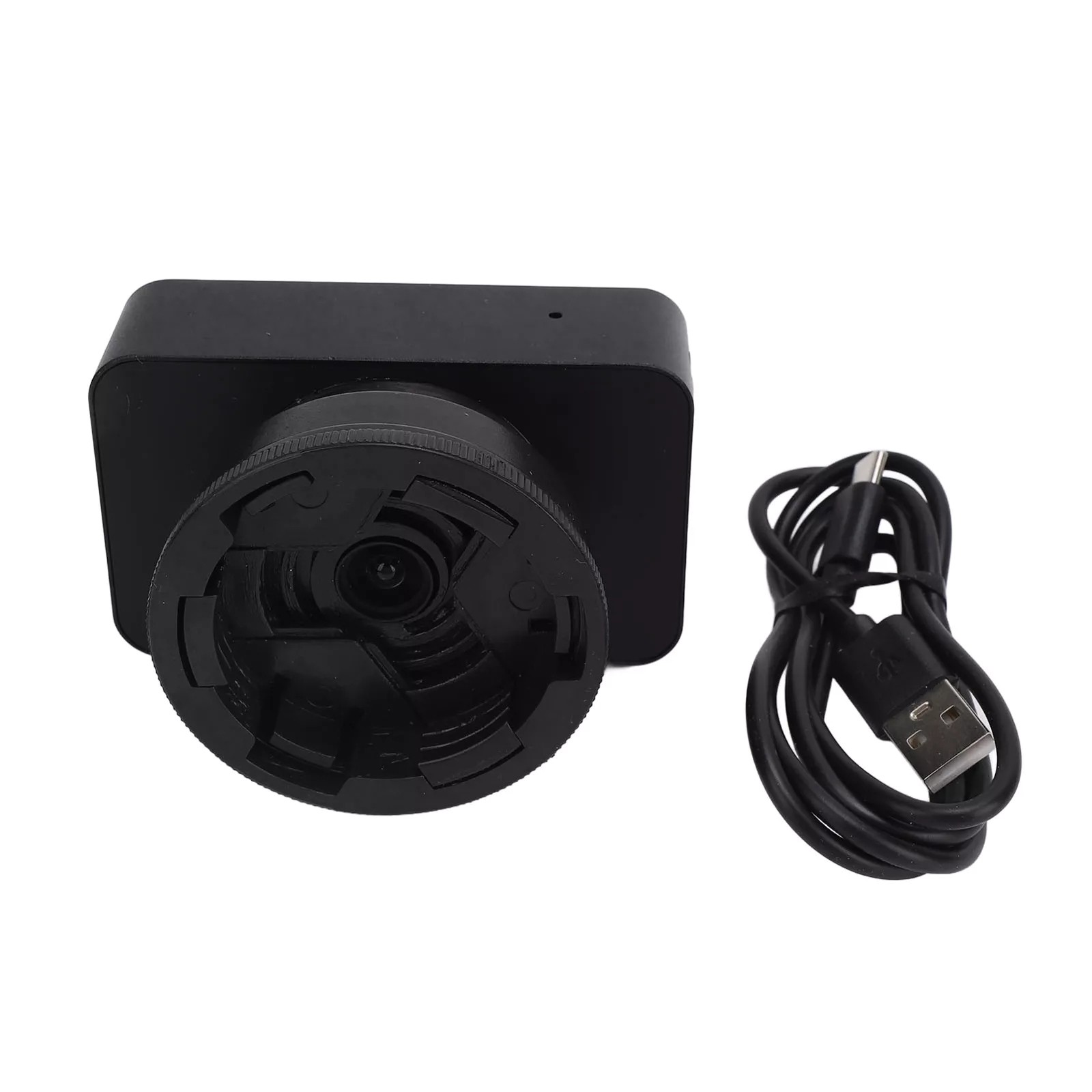
A concrete reason to choose this model is its combination of 4K capture, a 3-inch color display, and stated moon-and-planet recording use. That makes it a sensible pick for someone who wants an electronic viewing experience instead of a screen-free accessory.
The clearest limitation is the recording setup: the small memory card is not included, although support is listed up to 128GB. The camera also relies on its five-level digital zoom rather than presenting a broader zoom specification.
Meaningful trade-offs
The central trade-off is simplicity versus specialization. An electronic eyepiece camera adds a display, battery, charging port, and recording function, but it is designed around a digital workflow. That is useful for documenting observations, while shoppers seeking only a basic optical viewing accessory may not need those controls.
Storage is another practical consideration. Because the card is separate from the package, recording plans depend on having compatible storage available. The product is shipped with a built-in battery, but no battery runtime is stated, so the listed features support the decision without promising a particular session length.
Bottom line
Choose the Telescope Eyepiece Camera for Astronomy if moon and planet viewing, on-screen observation, and 4K recording matter more than a traditional eyepiece-only experience. At USD 42.10, its strongest case is the built-in 3-inch display and recording-focused design; its main limitation is the need to add a memory card for storage.