Choosing astrophotography cameras & adapters starts with one practical question: do you need a camera built around planetary capture, or a compact guiding setup for deep-sky exposures? The SVBONY SV305C Pro and Orion StarShoot AutoGuider Pro take different approaches, so the right choice depends more on your telescope project than on the word "Pro" in either name.
Quick verdict
Choose the SVBONY SV305C Pro if high-frame-rate planetary imaging and camera controls are your priority. Choose the Orion StarShoot AutoGuider Pro Mono + 30mm Guide Scope if you want a named camera-and-guide-scope combination for long-exposure guiding. The Orion sits $79.99 below the SVBONY, but its condition is listed as Used rather than New.
At a glance
| Product | Listed price | Main role | Notable detail | Condition |
|---|---|---|---|---|
| SVBONY SV305C Pro | USD 179.99 | Planetary and guiding camera | 1920x1080 at 107 FPS; 12-bit ADC | New |
| Orion StarShoot AutoGuider Pro Mono + 30mm Guide Scope | USD 100.00 | Mono guide camera with ultra-mini guide scope | Compact deep-sky guiding package; 1.25 in item diameter | Used |
Where each product wins
- SVBONY wins for planetary video capture. Its 1920x1080 at 107FPS specification, IMX662 CMOS sensor, and 12-bit ADC are the clearest match for recording detailed planetary footage. The ST4 guiding interface also supports PHD2/ASCOM.
- Orion wins for a bundled guiding setup. Its title names both the StarShoot AutoGuider Pro Mono camera and a 30mm Ultra-Mini Guide Scope, while the description places the combination in deep-sky astrophotography and long-exposure imaging. That makes the package easier to match to a guiding-focused build.
Product notes
SVBONY SV305C Pro Planetary Camera
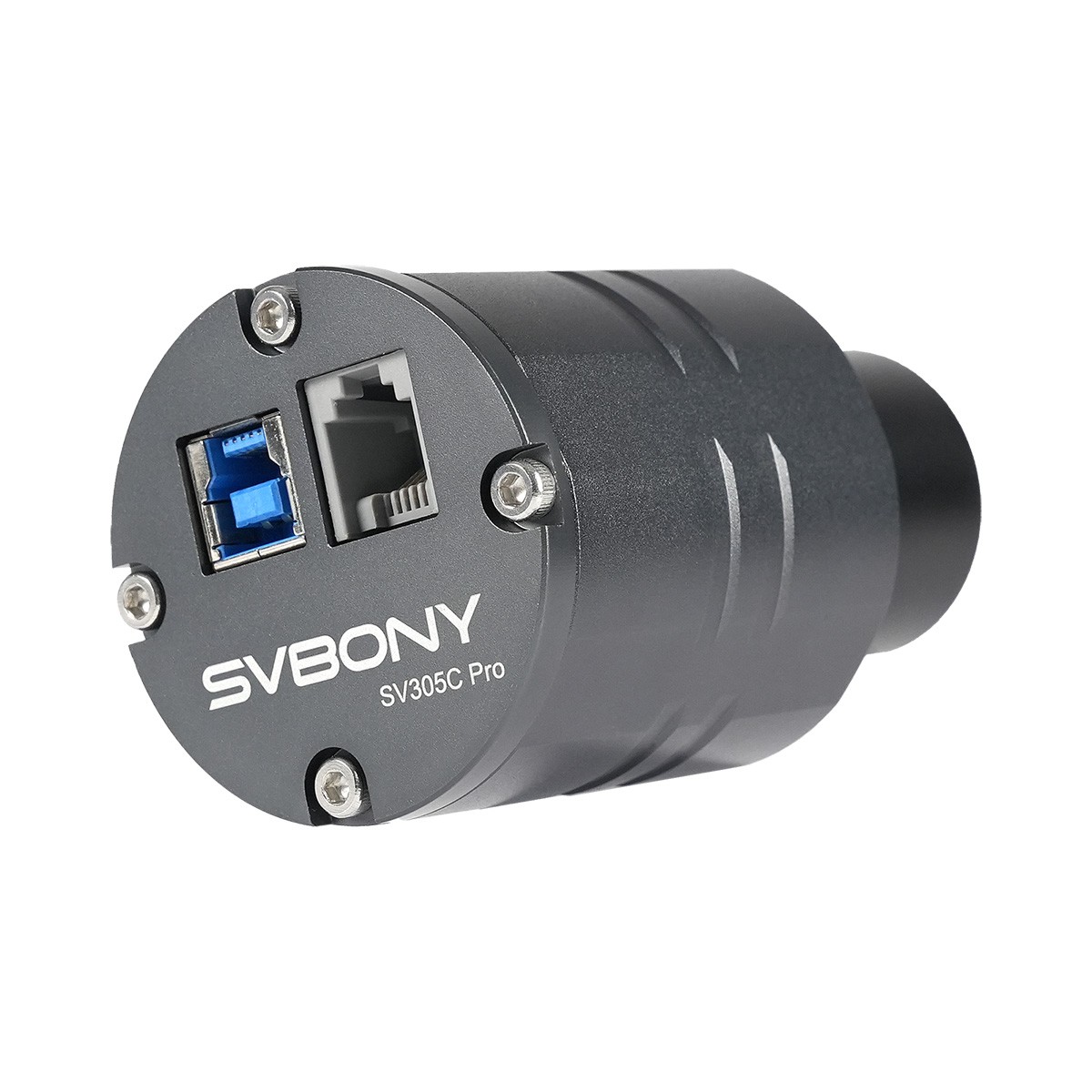
The SVBONY SV305C Pro Planetary Camera is the camera-first choice for shoppers who want planetary capture alongside guiding connectivity. Its IMX662 1/2.8-inch CMOS sensor, 0.7e- low readout noise, 128MB DDR buffer, and Any Area ROI support give it a clear capture-focused specification. The 2m USB3.0 cable and 1.5m 6Pin guiding cable are also explicitly identified, and the ST4 interface supports PHD2/ASCOM. That combination fits shoppers recording planetary video while retaining a guiding connection. The limitation is its price position: it is the higher-priced choice in this matchup, so it is a less direct fit if your main need is a compact guiding arrangement rather than camera controls for planetary work.
Orion StarShoot AutoGuider Pro Mono + 30mm Guide Scope
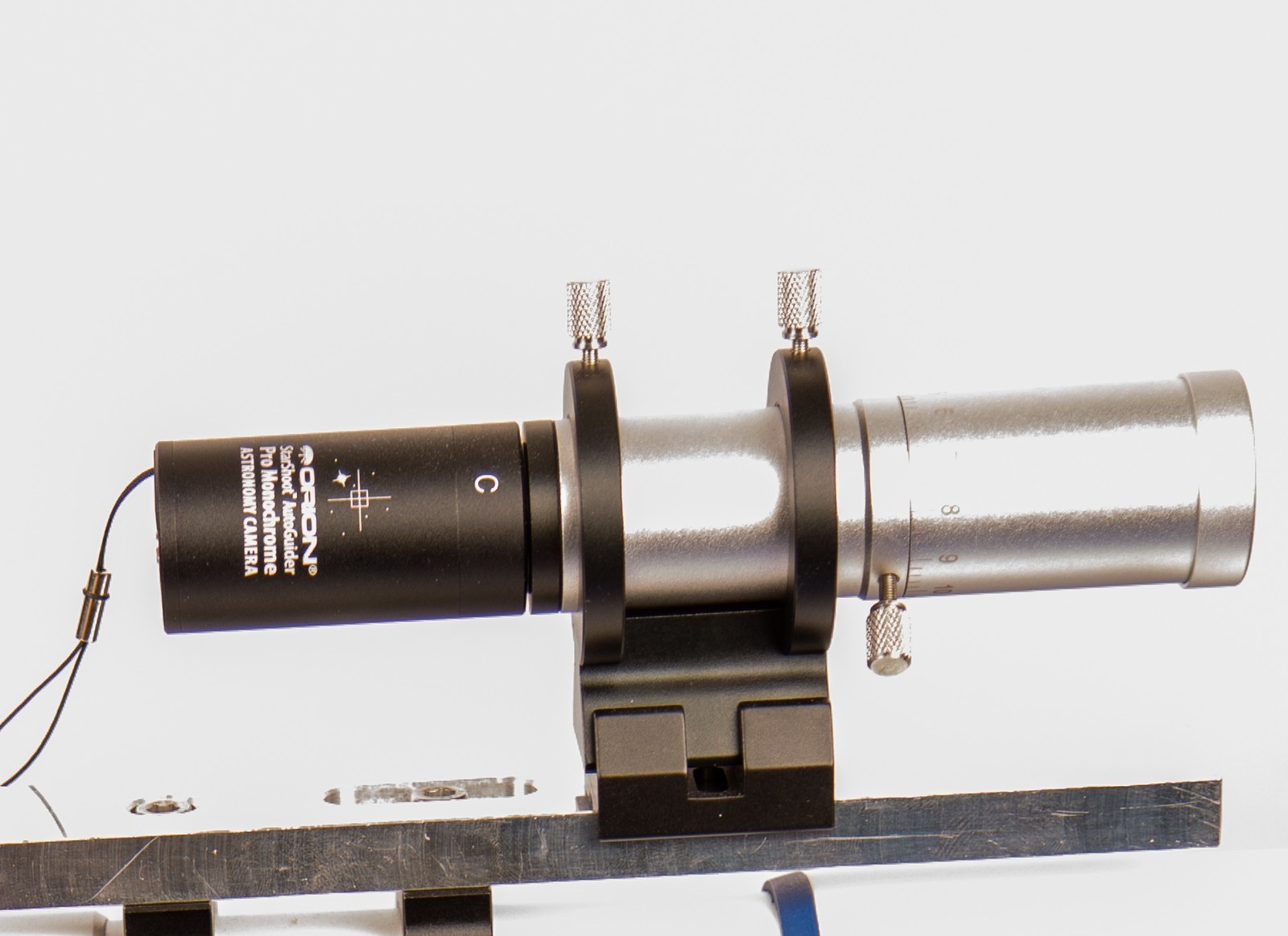
The Orion StarShoot AutoGuider Pro Mono + 30mm Guide Scope is the clearer match for a shopper who wants the camera and guide scope named together. The description calls the setup compact and lightweight, and positions it for portable astrophotography rigs, tracking correction, and long exposures. Its 1.25 in item diameter and Ultra-Mini Guide Scope type further define its guiding format. The concrete limitation is condition: this unit is identified as Used, unlike the SVBONY entry identified as New. That matters if condition is central to your decision. For planetary work, its emphasis is guiding and long-exposure imaging, so it is less directly aligned with a high-frame-rate capture brief.
Final choice by use case
- Choose the SVBONY for planetary video, ROI control, and the 12-bit ADC specification. Its higher price makes more sense when those camera features are central to the project.
- Choose the Orion for a compact deep-sky guiding arrangement with a named 30mm Ultra-Mini Guide Scope. The USD 100.00 price and bundled scope suit a guiding-first setup, with Used condition as the trade-off.
There is no single winner here: SVBONY is the more fitting direction for planetary capture, while Orion is the more focused route to a compact guide-camera setup.