If you're choosing between two used Sony mirrorless cameras, the biggest question is whether to save money with the Alpha a5100 or spend more for the Alpha a6400's 4K video and real-time autofocus. Both are 24-megapixel APS-C models with the same 16-50mm f/3.5-5.6 zoom lens, but the $327 price gap buys you a different level of imaging technology. The a5100 is a compact entry point with a tilting touchscreen and built-in Wi-Fi, while the a6400 adds a viewfinder, 4K, and a more sophisticated focusing system.
Quick Verdict
The Sony Alpha a5100 is the better pick if you want a capable 24MP mirrorless camera for Full HD video and everyday photography at a lower listed price. The Sony Alpha a6400 justifies its higher price with internal 4K recording, a 2.36m-dot OLED viewfinder, and a more advanced 425-point phase-detection autofocus system. If video resolution and autofocus tracking are your priorities, the a6400 is the more capable option.
Comparison Table
| Product | Listed Price | Price Bar | Key Differences |
|---|---|---|---|
| Sony Alpha a5100 24.3MP Mirrorless Digital Camera w/16-50mm Lens | USD 310.00 | Full HD 1080p, 179 AF points, 3\" tilting touchscreen, micro-HDMI | |
| Sony Alpha a6400 Mirrorless 24.2MP 4K Digital Camera w/16-50mm Lens 100% Working | USD 637.00 | 4K UHD, 425 phase-detect points, OLED viewfinder, XGA Tru-Finder |
The resolution difference between 24.3MP and 24.2MP is small enough to ignore. The a6400's advantage comes from its 425 phase-detect points, Real-Time Eye AF, and OLED viewfinder, while the a5100 counters with a lower listed price and built-in Wi-Fi. If you only shoot photos in good light, the a5100's sensor will serve you well. If you need to track moving subjects or want 4K footage, the a6400 has the hardware to handle it.
Where Each Product Wins
Sony Alpha a5100 wins on price and included kit. It comes with a charger and memory card included, plus a brown finish that may appeal if you want a different look.
Sony Alpha a6400 wins on video and autofocus. The 4K internal recording, Real-Time Eye AF, and Real-Time Tracking are significant upgrades for vloggers or anyone shooting moving subjects. The OLED viewfinder gives you a clearer, more responsive framing experience than the a5100's tilting touchscreen.
Product Notes
Sony Alpha a5100 24.3MP Mirrorless Digital Camera w/16-50mm Lens
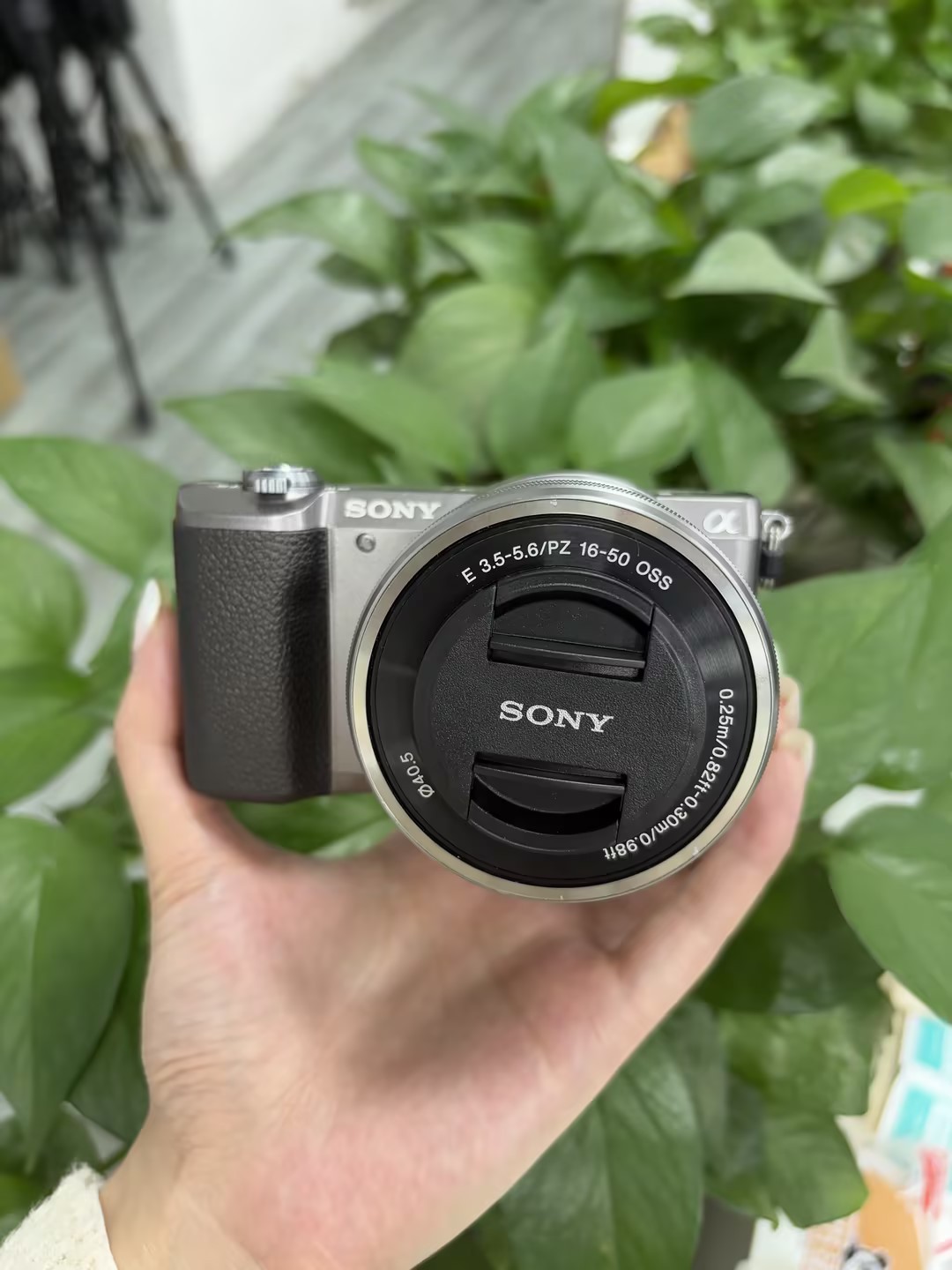
The a5100 is a solid entry into Sony's mirrorless system. It uses a 24.3MP APS-C Exmor HD CMOS sensor and BIONZ X processor to deliver sharp photos, and its Fast Hybrid AF system with 179 phase-detect points makes it easy to lock onto faces and moving subjects. Full HD 1080p video recording at up to 50Mbps in XAVC S format is great for everyday clips. You also get built-in Wi-Fi with NFC for quick sharing, a 3-inch tilting touchscreen, and a battery, charger, and memory card included at its listed price. The main trade-off is that its video tops out at Full HD, while the a6400 adds 4K UHD and an OLED viewfinder.
Sony Alpha a6400 Mirrorless 24.2MP 4K Digital Camera w/16-50mm Lens 100% Working
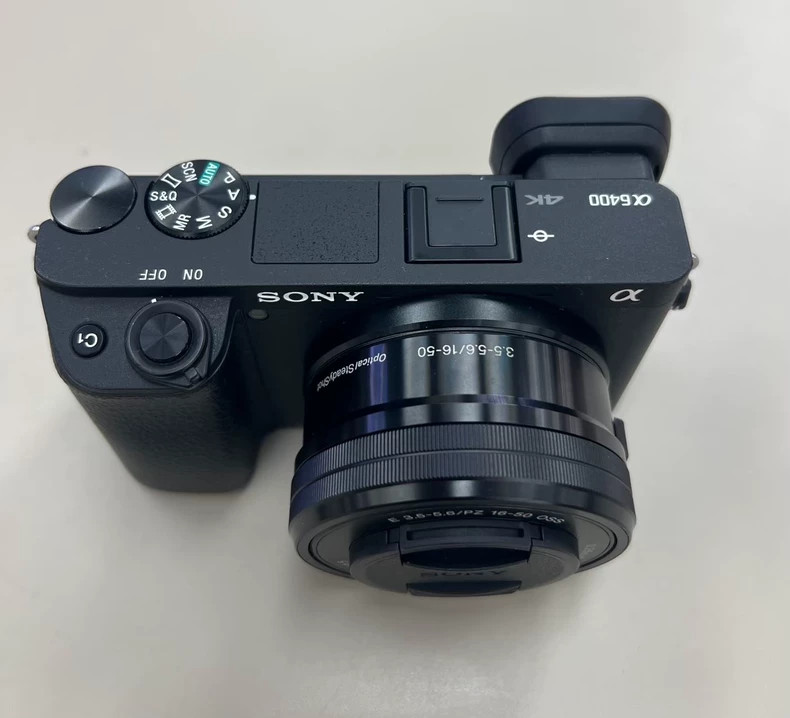
The a6400 packs a 24.2MP APS-C Exmor CMOS sensor with the BIONZ X processor, and it's the clear step-up in video performance. It records internal UHD 4K video with S-Log3 and HLG, which gives you more flexibility in post-production. The autofocus system is the highlight: 425 phase-detect points cover the frame, and Real-Time Eye AF helps keep portraits and action shots sharp. The XGA Tru-Finder 2.36m-dot OLED EVF is a step forward for framing, especially in bright conditions. The camera includes built-in Wi-Fi, a touchscreen, and a black finish at its higher listed price. Its main limitation is the higher price, and it's a used unit with a condition of \"Used.\"
Final Choice by Use Case
If your budget is tight and you mainly shoot photos or Full HD video for social media, the Sony Alpha a5100 delivers a complete kit at the lower price. If you want 4K recording, real-time autofocus tracking, and a built-in viewfinder, the Sony Alpha a6400 is worth the higher price. Both cameras are used units, so your decision should weigh the price difference against the features you'll actually use. Choose based on what you'll be shooting most, not on the price alone.