When you're shopping for dew control, power & cases, the key choice here is simple: do you want the lower listed price, or do the second case's more explicit carrying details justify paying more? Both are shock-absorbent, multipurpose telescope carrying cases with an external large pocket and two zippered accessory pouches, so the decision comes down to price, handling features, and how the dimensional information is presented.
Quick verdict
Start with the Shock-Absorbent Telescope Bag-Multipurpose Telescope Carrying Case with Adjus if the lower outlay is the main decision point. The pair has a $38.14 listed-price gap, with that case at USD 58.85 and the Shock-Absorbent Telescope Bag at USD 96.99. Choose the latter when its telescopic handle and drawstring-and-zipper closure details matter more than the price difference. Neither description establishes that one offers better protection, so the useful split is price versus explicitly described handling hardware.
Compact comparison
| Detail | Shock-Absorbent Telescope Bag with Adjus | Shock-Absorbent Telescope Bag |
|---|---|---|
| Listed price | USD 58.85 | USD 96.99 |
| Dimensions shown | Package: 13.54 x 12.99 x 6.26 in | Item: 40 x 11.5 x 9 in, L x W x H |
| Listed weight | 3.73 lb | 1.69 kg |
Where each product wins
- Telescope Bag with Adjus wins for price-led buying. Its lower listed price and multipurpose telescope carrying-case wording make it the simpler choice when minimizing the initial outlay is the priority.
- Shock-Absorbent Telescope Bag wins for a more explicitly described carry setup. The case-opening and carry details give shoppers a concrete feature distinction to weigh.
- Shared ground: Both cases describe an external large pocket and two zippered accessory pouches, so that organization detail does not separate them.
Product notes
Shock-Absorbent Telescope Bag-Multipurpose Telescope Carrying Case with Adjus
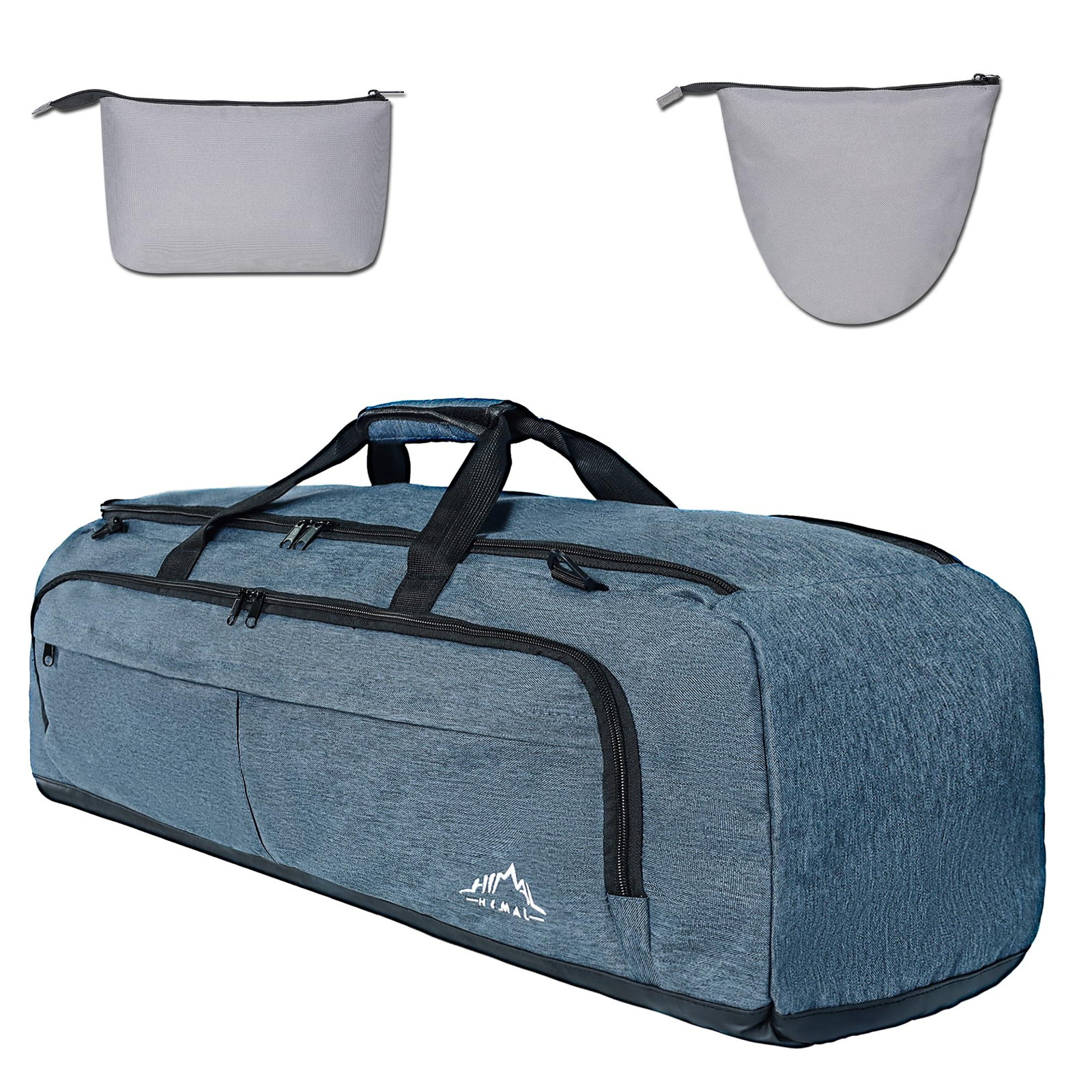
Price-led shoppers should look first at the Shock-Absorbent Telescope Bag-Multipurpose Telescope Carrying Case with Adjus. The concrete reason to choose it is the lower listed price, paired with the multipurpose carrying-case wording in the title. Its main limitation is dimensional clarity: the measurements shown for this item are package dimensions-13.54 x 12.99 x 6.26 inches-rather than a case-size measurement. That distinction matters if you are planning around a telescope's physical footprint, because package measurements and item measurements describe different things. The title also stops at "with Adjus," leaving the product name unfinished; that makes the naming less clear for a shopper comparing case features. This choice makes the most sense when price and the stated case format matter more than a fully spelled-out product name.
Shock-Absorbent Telescope Bag-Multipurpose Telescope Carrying Case
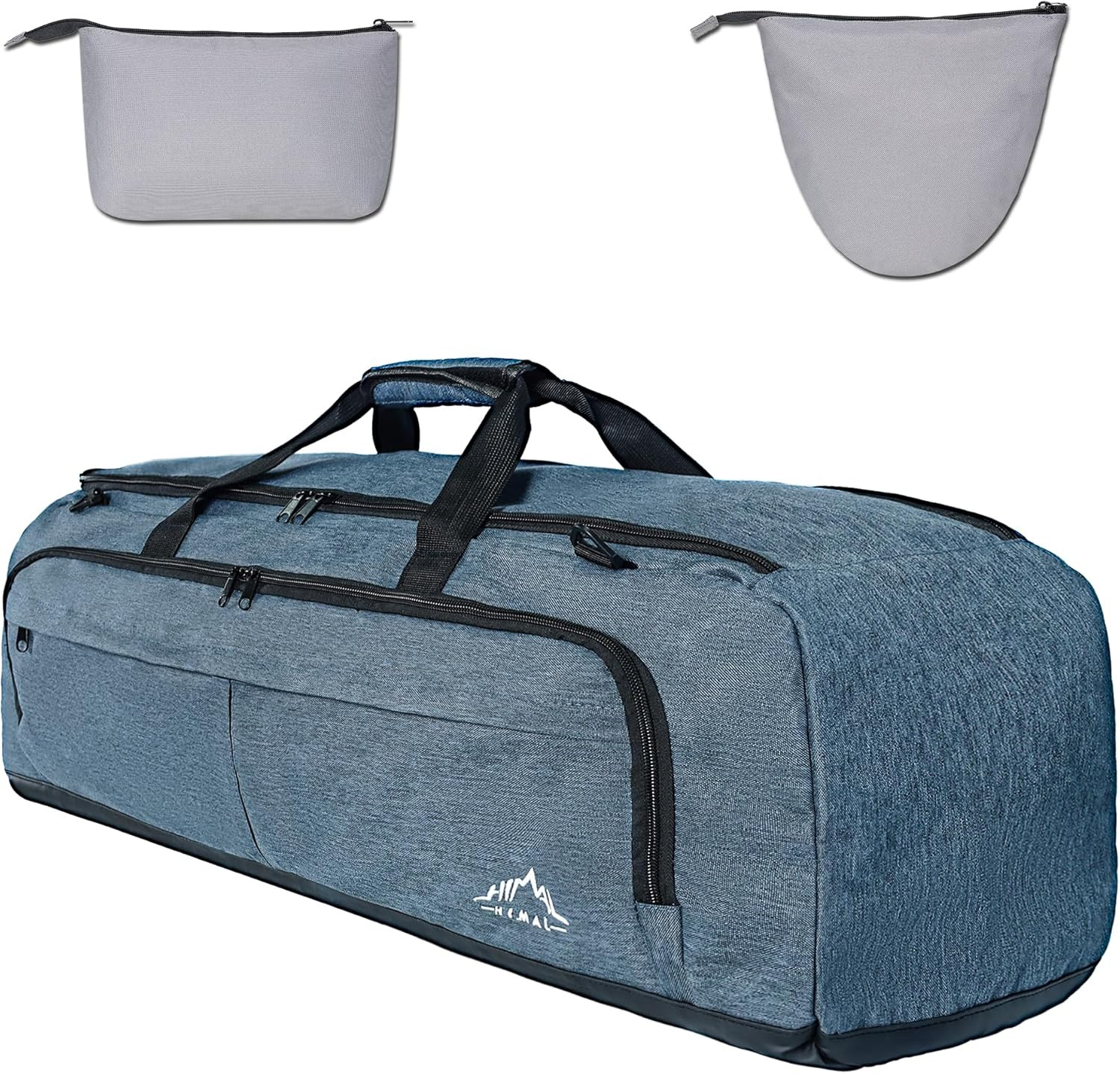
Handling-focused shoppers have a clearer reason to choose the Shock-Absorbent Telescope Bag-Multipurpose Telescope Carrying Case: it specifies a telescopic handle and drawstring and zipper closure types. Those details are useful when the way a case opens and is carried matters to the setup routine. Its main limitation is the higher listed price relative to the other case, so the additional outlay only makes sense if those named handling features match your priorities. The item dimensions are 40 inches long by 11.5 inches wide by 9 inches high, and the weight is 1.69 kilograms. Keep those as planning measurements, not as a claim that the case fits better or carries more easily; the numbers describe size and weight without establishing a performance winner. This is the more feature-explicit choice, not automatically the superior one.
Final choice by use case
For a lower-outlay purchase, choose the Shock-Absorbent Telescope Bag-Multipurpose Telescope Carrying Case with Adjus: the $38.14 spread and the multipurpose carrying-case title make the decision direct. For a handling-led use case, choose the Shock-Absorbent Telescope Bag, whose case-opening and carry details are spelled out more clearly. Shoppers planning around dimensions should read the numbers according to their labels: P1 shows package dimensions, while P2 shows item dimensions. In short, P1 is the price-led pick; P2 is the handling-detail pick.