Choosing among telescope mounts & tripods starts with a practical question: should your setup prioritize a clearly identified mount format, or a broader set of observing and photography uses? The Celestron Losmandy G-11 and Altazimuth Telescope Mount make that choice especially clear. Their listed prices are far apart, while their descriptions point toward different kinds of buyers. Use the comparison below to match the named configuration, operating features, condition, and intended activities to what you actually want from an astronomy mount.
Quick verdict
Pick the Celestron Losmandy G-11 when the German Equatorial designation, G-11 identifier, and 60 lbs astronomy designation are the deciding anchors. Pick the Altazimuth Telescope Mount when a multi-purpose design and broad activity list matter more. If both briefs sound right, use the listed-price difference and condition as tie-breakers-not as proof that one mount must perform better.
At-a-glance comparison
| Mount | Listed price | Condition | Compact identifier |
|---|---|---|---|
| Celestron Losmandy mount | USD 1,911.11 | Used | Black color |
| Altazimuth Telescope Mount | USD 168.16 | New | MPN 8524AATM |
The listed prices differ by USD 1,742.95, so this is a substantial head-to-head rather than a close price comparison.
Where each mount wins
Celestron Losmandy G-11 wins when specificity is the first filter. The title gives a named model and a defined astronomy-mount identity, making the choice easier for someone whose search already has a precise target. The 60 lbs designation is a concrete title detail, but it should be read as a listed value-not as an automatic performance verdict.
Altazimuth Telescope Mount wins when breadth is the first filter. Its description spans several activities and includes multiple positioning and alignment aids, so it suits a shopper comparing uses rather than locking onto one model format. The listed price can break a tie if both descriptions fit, but price alone does not establish capability.
Product notes
Celestron Losmandy G-11 German Equatorial Telescope Mount
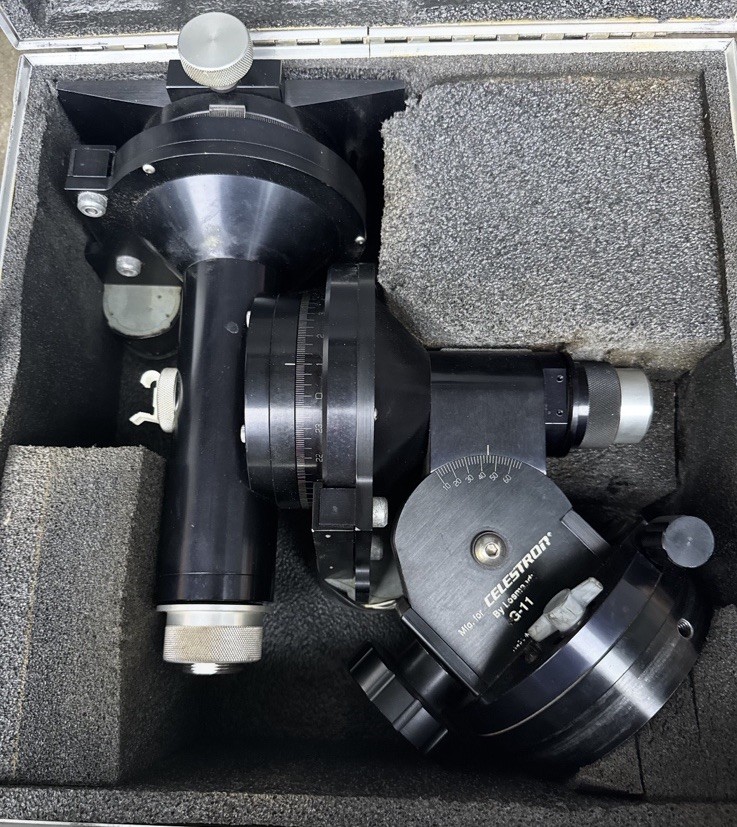
The Celestron Losmandy G-11 deserves attention when a shopper values a specifically described mount presentation. The black color, sturdy-construction wording, and smooth-operation description provide concrete reasons to choose it without relying on an assumed performance ranking. The limitation is the listed Used condition, which makes the purchase context distinct from the New Altazimuth Telescope Mount. That condition may matter to a shopper who wants a new unit above all else. Celestron Losmandy G-11 is therefore the more focused pick when its defined identity and astronomy framing fit the plan; shoppers seeking several kinds of viewing should compare that focus with Altazimuth Telescope Mount's broader activity description.
Altazimuth Telescope Mount
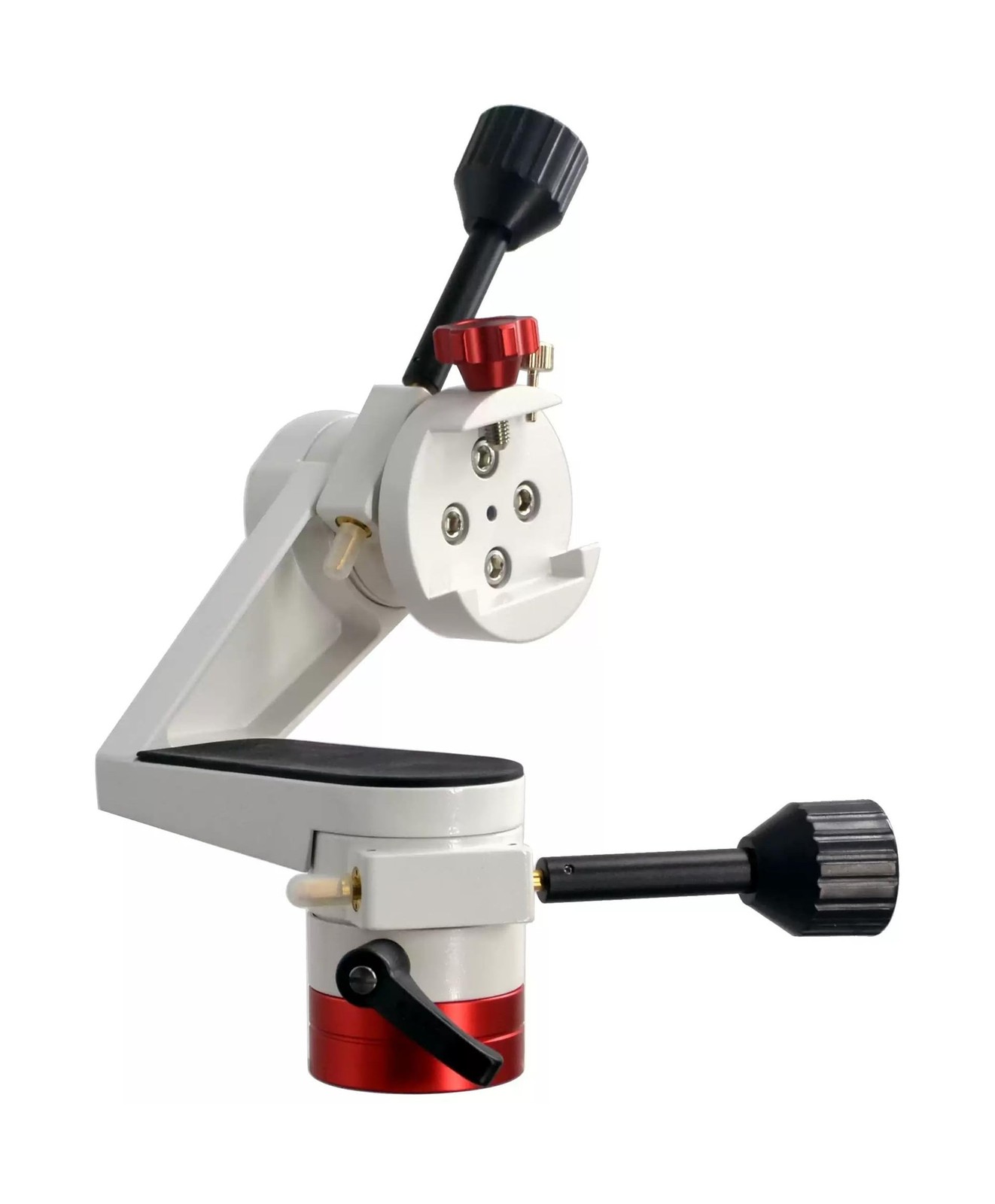
Altazimuth Telescope Mount makes the stronger case for a broad activity brief. The description includes astronomy, astrophotography, bird watching, and gazing, then adds rapid and precision positioning with fine tuning through micro-motion mode. Internal gear alignment, a V-shaped dovetail slot, and a mounting block further define the positioning-and-alignment appeal. The limitation is that this wide remit may feel less targeted for someone who has already settled on a specifically named German Equatorial mount. Choose Altazimuth Telescope Mount when flexibility across observing and photography activities matters more than matching one narrowly defined astronomy configuration. Its listed New condition is another concrete reason to favor it if that purchase criterion is important.
Final choice by use case
For a shopper whose priority is a specifically defined astronomy mount, choose Celestron Losmandy G-11. For astronomy, astrophotography, bird watching, or gazing across one mount's intended roles, choose Altazimuth Telescope Mount. If the decision is tied, use the listed prices and condition as tie-breakers: Celestron is Used, while Altazimuth is New. That keeps the recommendation anchored to the stated configurations and purchase criteria rather than assuming that a higher price means higher capability.