Choosing astrophotography cameras & adapters means resolving one practical tension first: planetary imaging rewards a fast camera, while deep-sky work may call for a guiding setup, and a telescope-oriented camera may appeal if 4K, photo, or WiFi wording matters. The four choices cover those paths, but the two SVBONY entries are the same SV305C Pro model, so their titles-not a confirmed hardware split-are the main distinction.
Quick take
- The SVBONY SV305C Pro pair fits shoppers seeking a planetary camera that also supports guiding, with the title wording helping separate the two otherwise matching entries.
- The Astronomy Planetary Camera is the telescope-oriented, lower-price route for shoppers focused on its capture-format and WiFi wording.
- The Orion package is the guide-camera route, combining a camera with a guide scope for deep-sky work and long exposures; its Used condition is the key trade-off.
- If price leads the decision, the four options span a clear range; if capability leads, start with the intended job rather than the number alone.
Listed price comparison
| Camera | Listed price | Price bar |
|---|---|---|
| SVBONY SV305C Pro - Sony IMX662 astrophotography | USD 179.99 | |
| SVBONY SV305C Pro - Astronomy Guiding Camera | USD 179.99 | |
| Astronomy Planetary Camera - 8MP CMOS | USD 83.41 | |
| Orion StarShoot AutoGuider Pro Mono plus 30mm Guide Scope | USD 100.00 |
The prices run from $83.41 to $179.99, an absolute spread of $96.58. Both SVBONY entries sit at $179.99, Orion is $100.00, and the Astronomy Planetary Camera is $83.41. That spread makes price a meaningful separator, but it does not by itself establish which camera suits a particular workflow.
Decision matrix
- Planetary imaging: Start with either SVBONY title. Both use "Planetary Camera," and the SV305C Pro descriptions cover planetary capture as well as guiding.
- Deep-sky guiding: Choose the Orion package when "AutoGuider," "Guide Camera," and "Guide Scope" match the job. Its description specifically frames the setup around deep-sky astrophotography and long-exposure imaging.
- Telescope-oriented capture: The Astronomy Planetary Camera is the clearest title match because it explicitly says "For Telescope."
- Choosing between the SVBONY entries: Treat them as a same-model choice. The Sony IMX662 wording favors sensor-led shopping, while "Astronomy Camera Guiding Camera" puts guiding first.
Product notes
SVBONY SV305C Pro Planetary Camera CMOS Sony IMX662 Sensor for Astrophotography
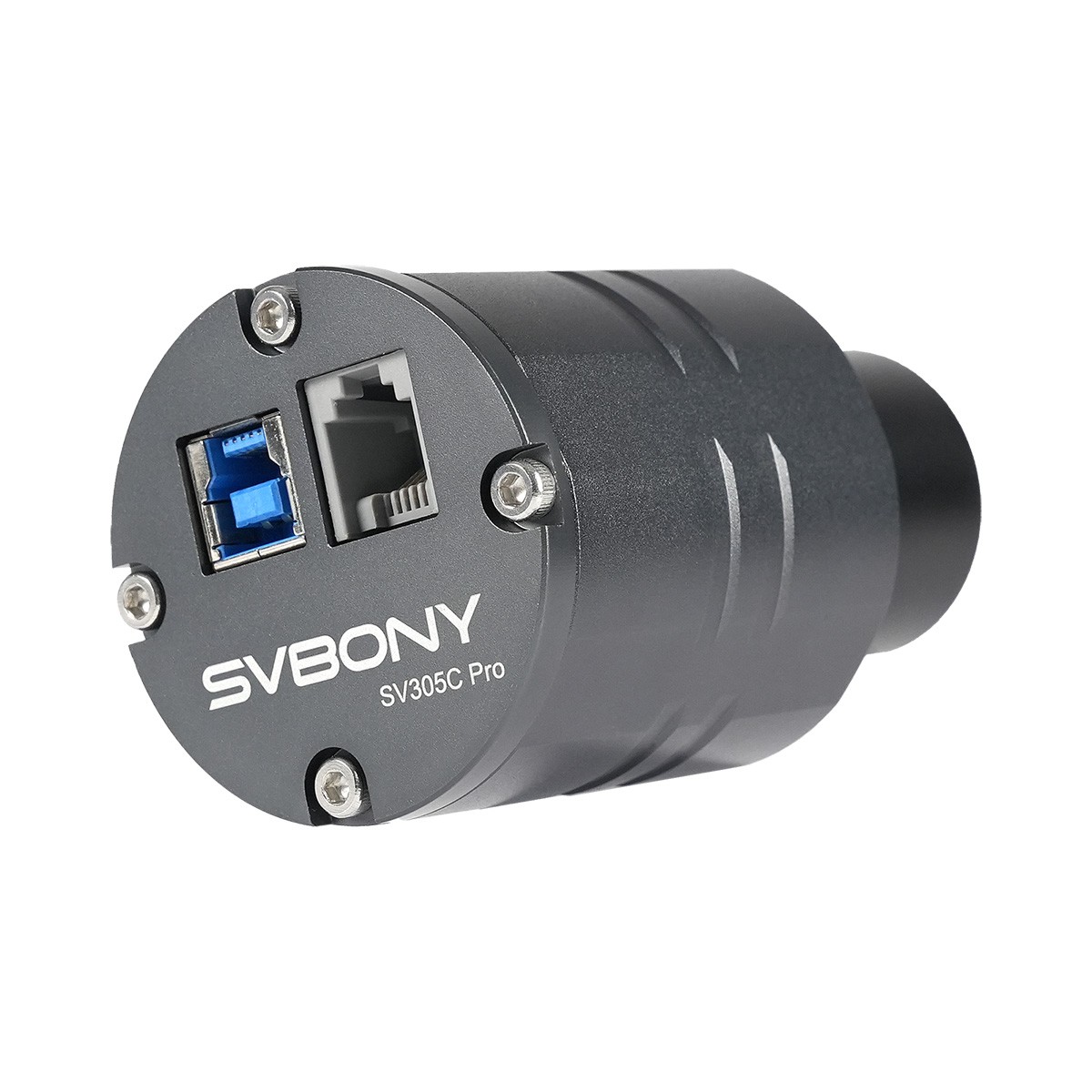
Choose the SVBONY SV305C Pro entry with "Sony IMX662 Sensor for Astrophotography" in the title when sensor identification and planetary work are central to the decision. It combines the IMX662 CMOS sensor with 1920x1080 capture at 107FPS, 10/12-bit ADC output options, HDR, Any Area ROI, an ST4 guiding interface, and PHD2/ASCOM support. The 2m USB3.0 cable and 1.5m 6Pin guiding cable are also specified. The trade-off is its position at the top of the four-item price range, while the title does not emphasize a bundled guide scope. It suits a shopper wanting one named camera for planetary imaging and guiding.
SVBONY SV305C Pro Planetary Camera CMOS Astronomy Camera Guiding Camera
The second SVBONY SV305C Pro is the cleaner naming match when "Astronomy Camera Guiding Camera" is the phrase driving the search. It carries the same model designation, price, and cable set as the Sony IMX662-titled entry, so the two choices share a common hardware description rather than a confirmed performance split. Its title foregrounds guiding more clearly, which is a concrete reason to choose it for a guide-led shortlist. The limitation is that selecting this title does not produce a separately specified camera. Pick it when wording matters more than a different model.
Astronomy Planetary Camera 8MP CMOS 4K Video 64MP Photo WiFi For Telescope
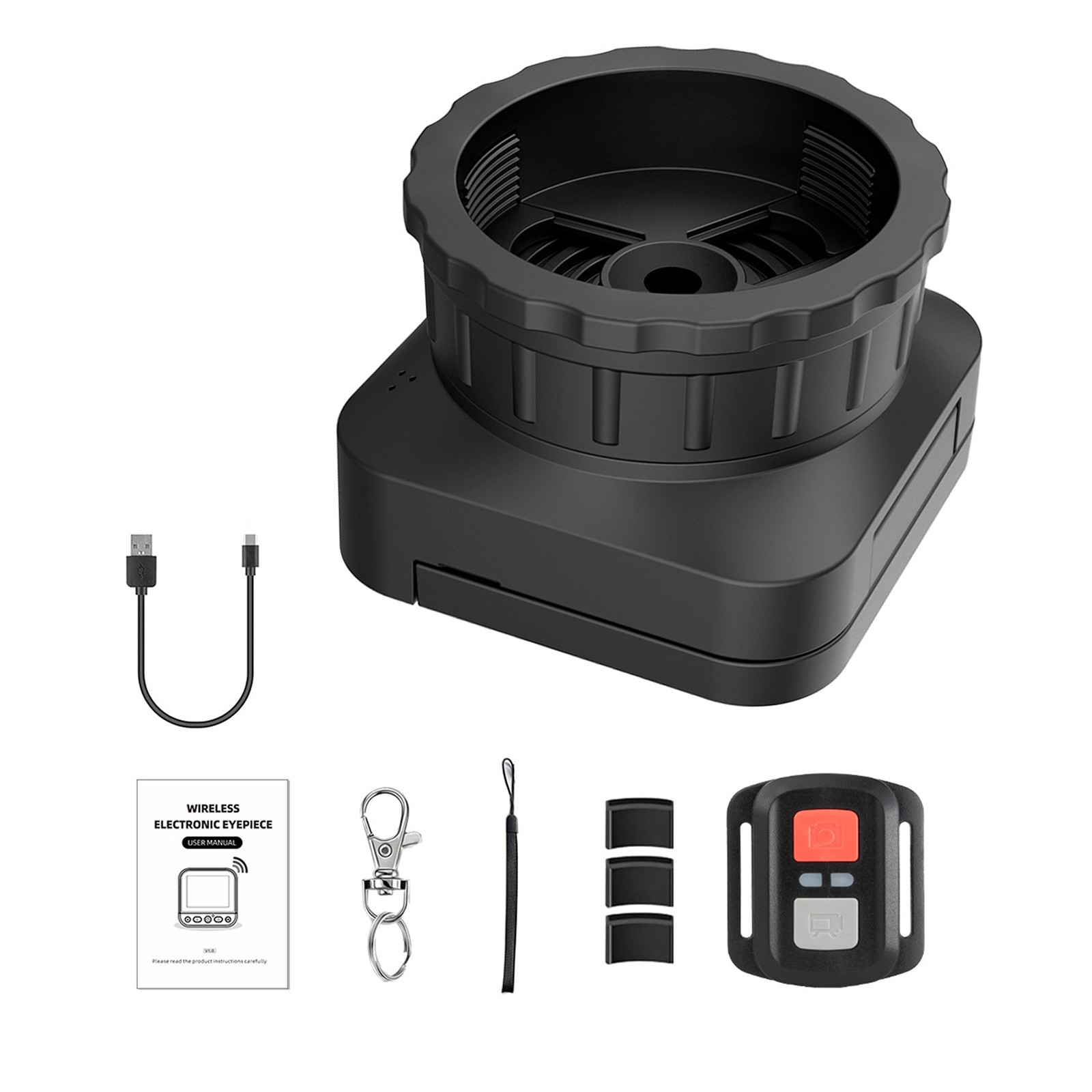
The Astronomy Planetary Camera is defined by its title: 8MP CMOS, 4K video, 64MP photo, WiFi, and "For Telescope." Those phrases make it a direct match for telescope-oriented capture when format labels matter more than a named sensor or guiding connection. Its 23-60 mm item-diameter attribute adds a concrete specification to the selection. The limitation is that its title emphasizes format and connectivity rather than the named IMX662/ST4 combination used to distinguish the SVBONY path, or the bundled guide-scope format of Orion. Choose it when the lower listed price and 4K/64MP/WiFi combination are the deciding points.
Orion StarShoot AutoGuider Pro Mono Guide Camera + 30mm Guide Scope
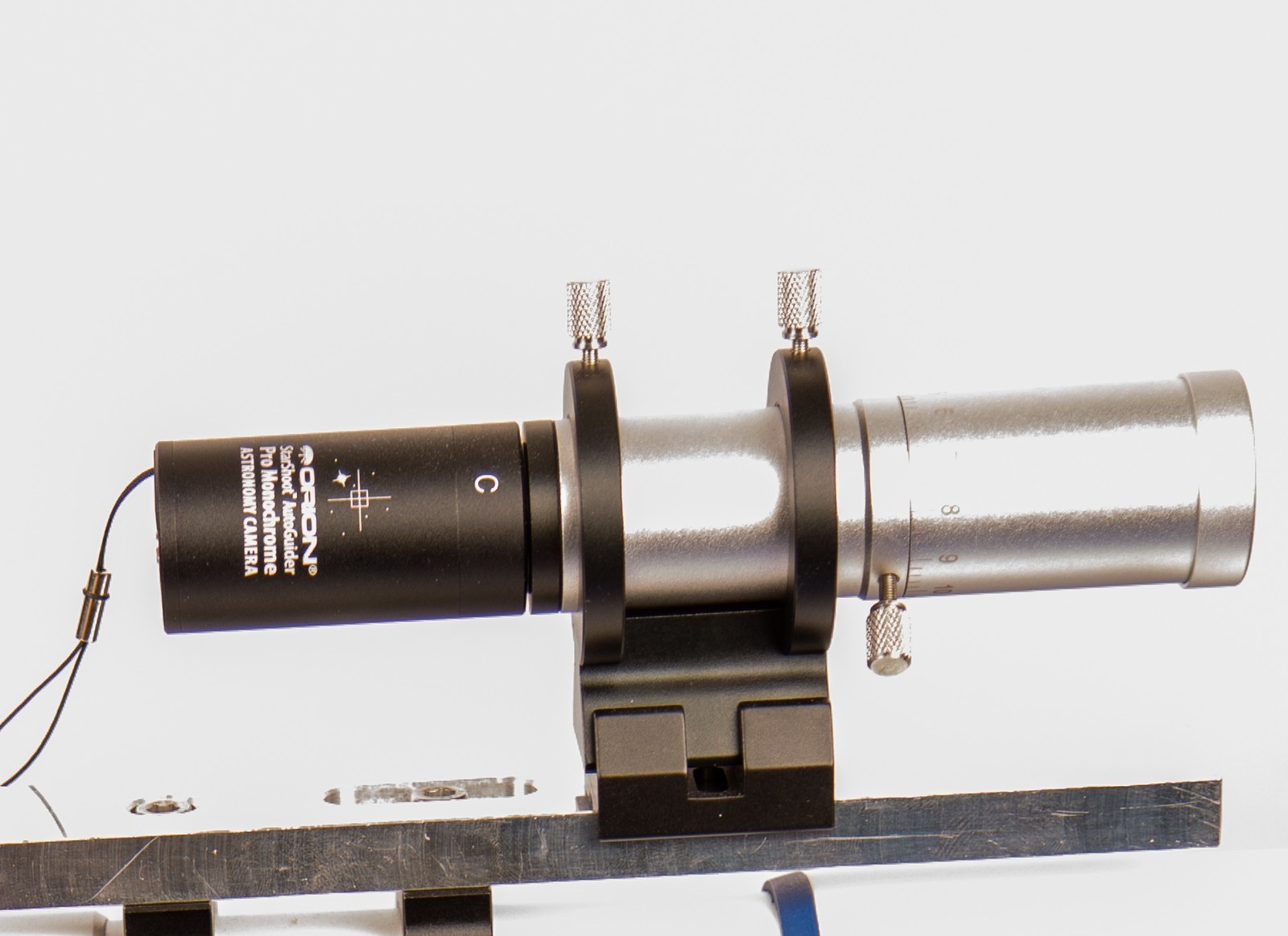
The Orion StarShoot AutoGuider Pro Mono package is the guiding-first choice: it combines the camera with an Orion 30mm Ultra-Mini Guide Scope and is described for deep-sky astrophotography, portable rigs, tracking correction, and long-exposure imaging. The 1.25 in item diameter and common guiding-software compatibility further frame its role. Its concrete limitation is condition: it is listed as Used. The title also centers a mono guide camera and scope bundle, so shoppers prioritizing planetary video should compare its purpose with the SVBONY entries rather than treating it as the same kind of camera. Choose Orion when bundled guiding hardware and deep-sky use matter most.
Final recommendation by use case
- Planetary imaging with a guiding path: Choose either SVBONY SV305C Pro entry. The Sony IMX662-titled version is clearer for sensor-led shopping; the Astronomy Camera Guiding Camera title is clearer for guide-led shopping. Their matching model, price, and specifications make this a wording choice rather than a technical winner.
- Telescope-oriented capture: Choose the Astronomy Planetary Camera if 8MP CMOS, 4K video, 64MP photo, and WiFi are the deciding attributes.
- Deep-sky guiding: Choose the Orion package for its camera-and-guide-scope format, deep-sky description, and Used condition made explicit before purchase.
- Price-led selection: The Astronomy Planetary Camera has the lowest listed price, while the SVBONY pair occupies the highest price point. Let the intended imaging job decide whether that gap is worthwhile.