Choosing an accessory for astronomy telescopes comes down to the job you want to do next: attach a phone, find a target, or change the viewing setup. The four choices here are not interchangeable. Two are phone adapters, one is a 6x30 finder scope, and one is a 1.25-inch Plossl eyepiece. Start with that role-based split, then use price and the listed interface details to narrow the choice.
Quick take
- For phone mounting: Compare the two universal cell phone adapters. The USD 7.18 model is the lowest-priced route, while the USD 10.98 model lists specific width and eyepiece-diameter ranges.
- For locating targets: The 6x30 Erect Image Finder Scope adds an erect right-side-up view, cross aim, and a 32mm mount.
- For eyepiece-based observing: The 1.25-inch HD Plossl Eyepiece uses the Plossl format and includes a spiral quick-storage cartridge.
- For the simplest decision: Choose by accessory role first; price is useful only after the task is clear.
Listed-price comparison
The listed prices range from USD 7.18 to USD 25.49. The supplied bars show each item's position within this four-item price comparison.
| Accessory | Listed price | Price bar | Best fit |
|---|---|---|---|
| NEW Universal Telescope Cell Phone Mount Adapter for Monocular Spotting Scope US | USD 7.18 | Phone mounting | |
| Universal Telescope Cell Phone Mount Adapter for Monocular Spotting Scope NEW | USD 10.98 | Phone mounting with stated fit ranges | |
| 1.25-inch HD Plossl Eyepiece Set | USD 17.99 | Plossl eyepiece viewing | |
| 6x30 Erect Image Finder Scope | USD 25.49 | Target locating |
Decision matrix
- Need to attach a mobile phone: Both adapters address that job. The first emphasizes universal compatible brand and series entries, while the second gives a 55mm-100mm width range and 25mm-48mm eyepiece-diameter range.
- Need a finder with an upright view: The 6x30 finder scope is the only choice with an erect right-side-up view and cross aim in its title and description.
- Need a telescope eyepiece: The Plossl eyepiece is the only item centered on a 1.25-inch interface, multilayer antireflection film, and an eyepiece storage cartridge.
- Need the lowest listed price: The first phone adapter is the clear price starting point at USD 7.18, while the finder scope is the highest-priced item at USD 25.49.
Product notes
NEW Universal Telescope Cell Phone Mount Adapter for Monocular Spotting Scope US
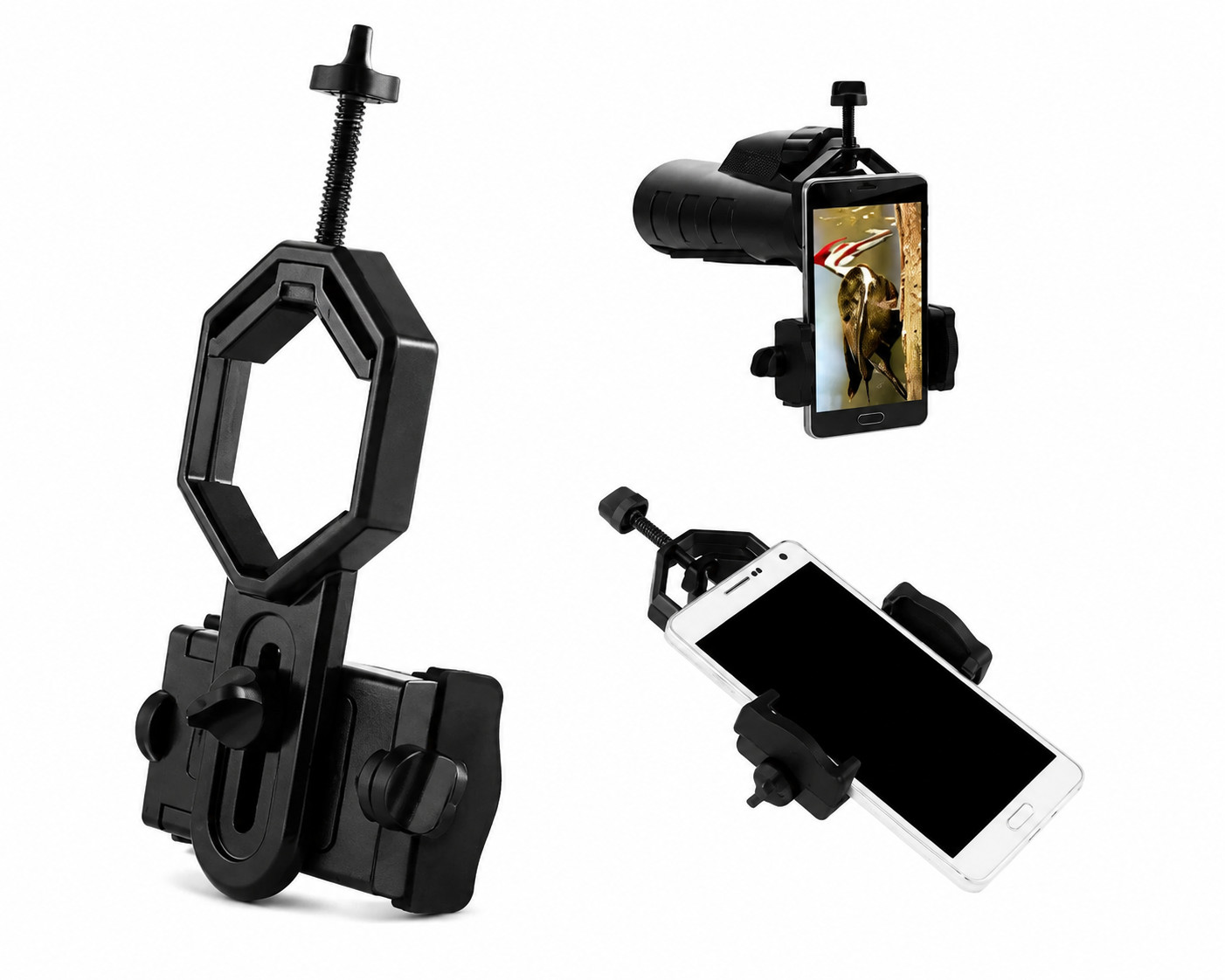
The NEW Universal Telescope Cell Phone Mount Adapter for Monocular Spotting Scope US is the clearest match when the immediate task is phone mounting. Its title identifies both a telescope and a monocular spotting scope, while the attributes call out universal compatible brand and series entries and a black finish. That makes the adapter format and broad compatibility its practical reason to choose. The limitation is role: it is a phone-mount accessory, not a finder scope with cross aim or a Plossl eyepiece for viewing choices. It is therefore a focused pick for attaching a mobile device, rather than a replacement for either optical accessory.
Universal Telescope Cell Phone Mount Adapter for Monocular Spotting Scope NEW
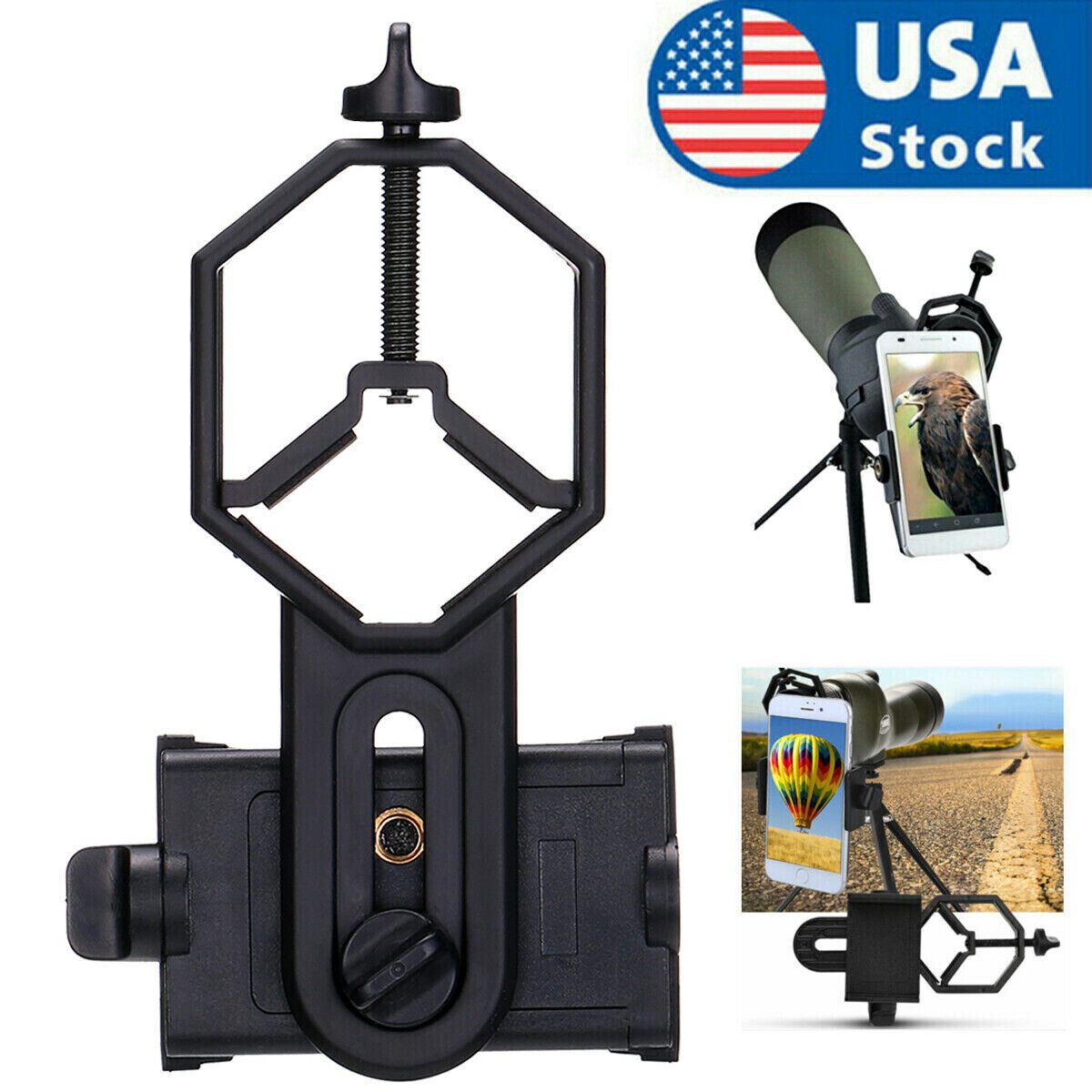
The Universal Telescope Cell Phone Mount Adapter for Monocular Spotting Scope NEW earns consideration when dimensions matter more than a simple universal label. Its description specifies a 55mm-100mm width range, a 25mm-48mm eyepiece-diameter range, and a 106g net weight; it also names microscope use. Those concrete dimensions give the phone-mount decision more detail. The limitation is that the adapter remains dedicated to mobile-device mounting. It does not provide the 6x30 erect-image finder view or the 1.25-inch Plossl format found elsewhere in this comparison, so it is not the choice for target locating or eyepiece changes.
6x30 Erect Image Finder Scope -90° Right-Side-Up View, 32mm Mount, for Telescope
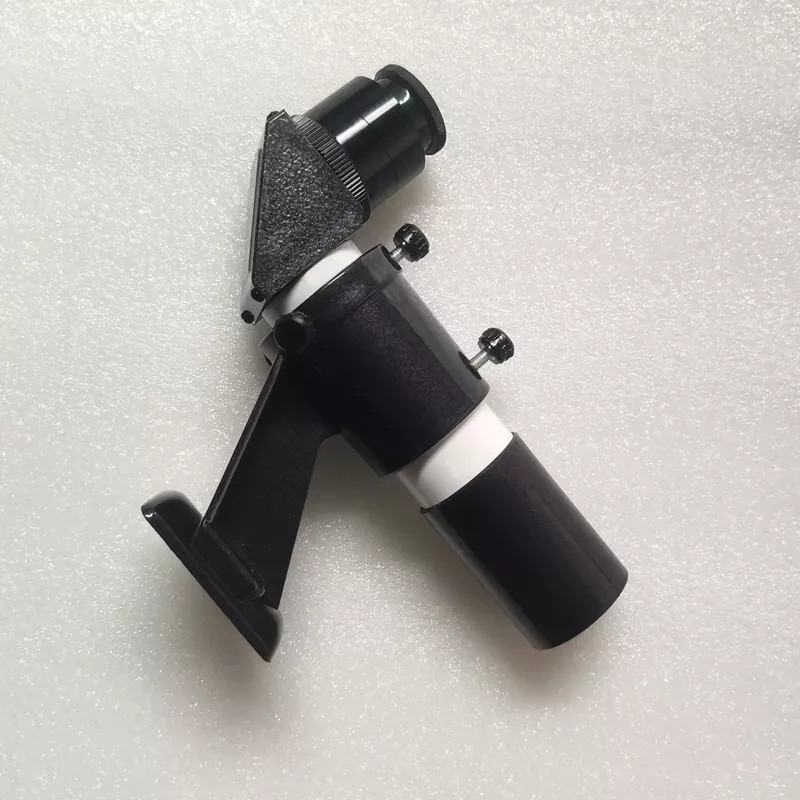
The 6x30 Erect Image Finder Scope -90° Right-Side-Up View, 32mm Mount, for Telescope is the focused choice for locating targets through a finder. Its title supplies the 6x30 designation, erect right-side-up view, and 32mm mount; the description adds cross aim and a screw-fixed interface, while the attributes list fully multi-coated optics. Choose it when those finder-specific details are the priority. Its limitation is equally clear: the 32mm mount and finder format make it a specialized accessory, not a phone adapter or 1.25-inch Plossl eyepiece. It also carries the highest listed price in this comparison, USD 25.49.
1.25-inch HD Plossl Eyepiece
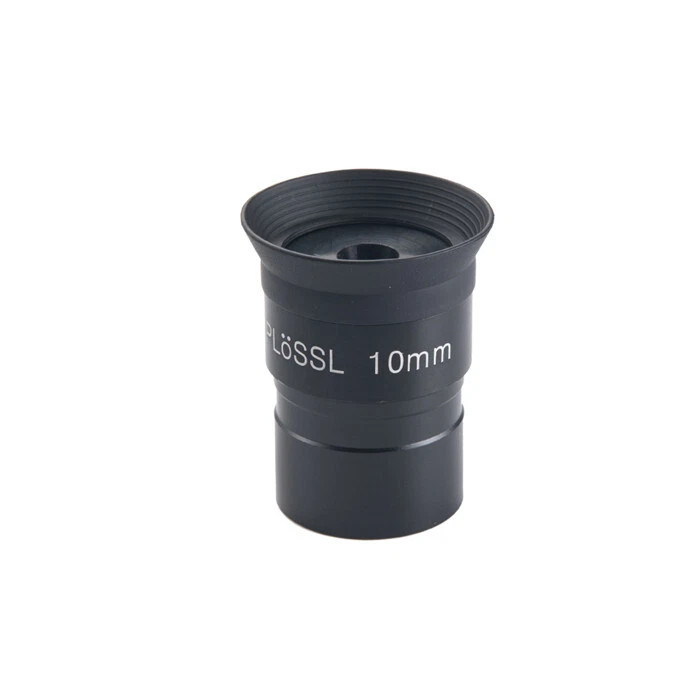
The 1.25-inch HD Plossl Eyepiece is the viewing-accessory route. The title identifies the Plossl format for an astronomical telescope, and the description adds a standard 1.25-inch interface, aluminum-alloy lens body, soft rubber eye mask, multilayer antireflection film, and spiral quick-storage cartridge. Those details give it a clear reason to choose for eyepiece-based observing. Its limitation is format: a 1.25-inch Plossl accessory does not perform the phone-mounting job of either adapter or the target-locating job of the finder scope. At USD 17.99, it sits between the phone mounts and the finder in listed price.
Final recommendation by use case
Match the accessory to the task, not simply to the word "telescope" in the title:
- Phone mounting at the lowest listed price: Choose the NEW Universal Telescope Cell Phone Mount Adapter for Monocular Spotting Scope US at USD 7.18. Its universal compatibility entries and adapter role are the deciding details.
- Phone mounting with explicit fit ranges: Choose the Universal Telescope Cell Phone Mount Adapter for Monocular Spotting Scope NEW. The 55mm-100mm width and 25mm-48mm eyepiece-diameter ranges are its clearest decision points.
- Target locating: Choose the 6x30 Erect Image Finder Scope. Its erect right-side-up view, cross aim, and 32mm mount align with finder use.
- Eyepiece viewing: Choose the 1.25-inch HD Plossl Eyepiece at USD 17.99. The Plossl format, 1.25-inch interface, and storage cartridge make it the relevant accessory.
These choices address accessory tasks rather than the purchase of a complete telescope, so the right pick is the one that matches the next observing task.