Choosing among astrophotography cameras & adapters starts with one important decision: do you want to capture planetary video and photos, or guide a telescope during long-exposure deep-sky imaging? The Astronomy Planetary Camera emphasizes capture features, while the Orion StarShoot AutoGuider Pro combines a mono guide camera with a guide scope. They serve different jobs, so the better choice depends more on your imaging plan than on a simple price comparison.
Quick verdict
Choose the Astronomy Planetary Camera 8MP CMOS 4K Video 64MP Photo WiFi For Telescope for direct planetary capture, especially if 4K video, 64MP photos, and WiFi are central to your buying decision. It costs USD 83.41. Choose the Orion StarShoot AutoGuider Pro Mono Guide Camera + 30mm Guide Scope for telescope guiding and deep-sky, long-exposure work. It costs USD 100.00, making the absolute price spread $16.59.
At a glance
| Product | Listed price | Primary job | Concrete detail |
|---|---|---|---|
| Astronomy Planetary Camera | USD 83.41 | Planetary capture | New; 23-60 mm item diameter |
| Orion StarShoot AutoGuider Pro | USD 100.00 | Guide camera and guide scope setup | Used; 1.25 in item diameter |
Where each product wins
- Astronomy Planetary Camera: The clearer fit for planetary astronomy when the product title's 8MP CMOS, 4K video, 64MP photo, and WiFi combination matches the way you want to record.
- Orion StarShoot AutoGuider Pro: The stronger match for a deep-sky guiding task because the package combines a mono guide camera with a guide scope and is described for long-exposure imaging.
Product notes
Astronomy Planetary Camera 8MP CMOS 4K Video 64MP Photo WiFi
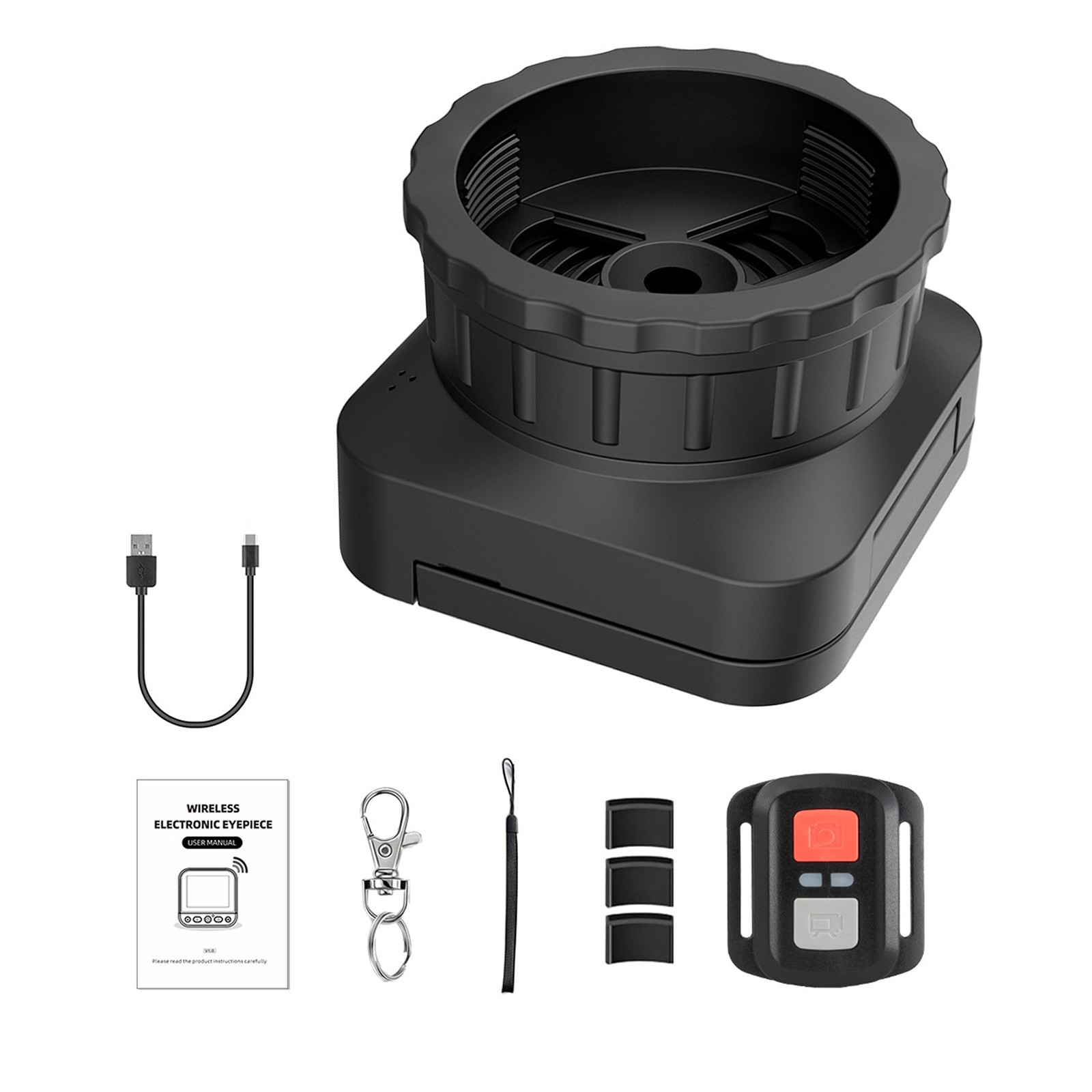
Choose this camera when the main task is direct planetary capture: its title brings together 8MP CMOS, 4K video, 64MP photo, and WiFi. The camera is also described with 4K and Digital features, reinforcing that capture-focused direction. Its listed 23-60 mm item diameter gives another concrete specification for comparing the package. The limitation is fit specificity: compatible brand, model, and series are each marked "Dose Not Apply," unlike the Orion package's named compatible model. That makes the camera less tied to a named telescope system. It suits a shopper prioritizing planetary video and photo features; it is less directly aligned with a dedicated long-exposure guiding setup.
Orion StarShoot AutoGuider Pro Mono Guide Camera + 30mm Guide Scope
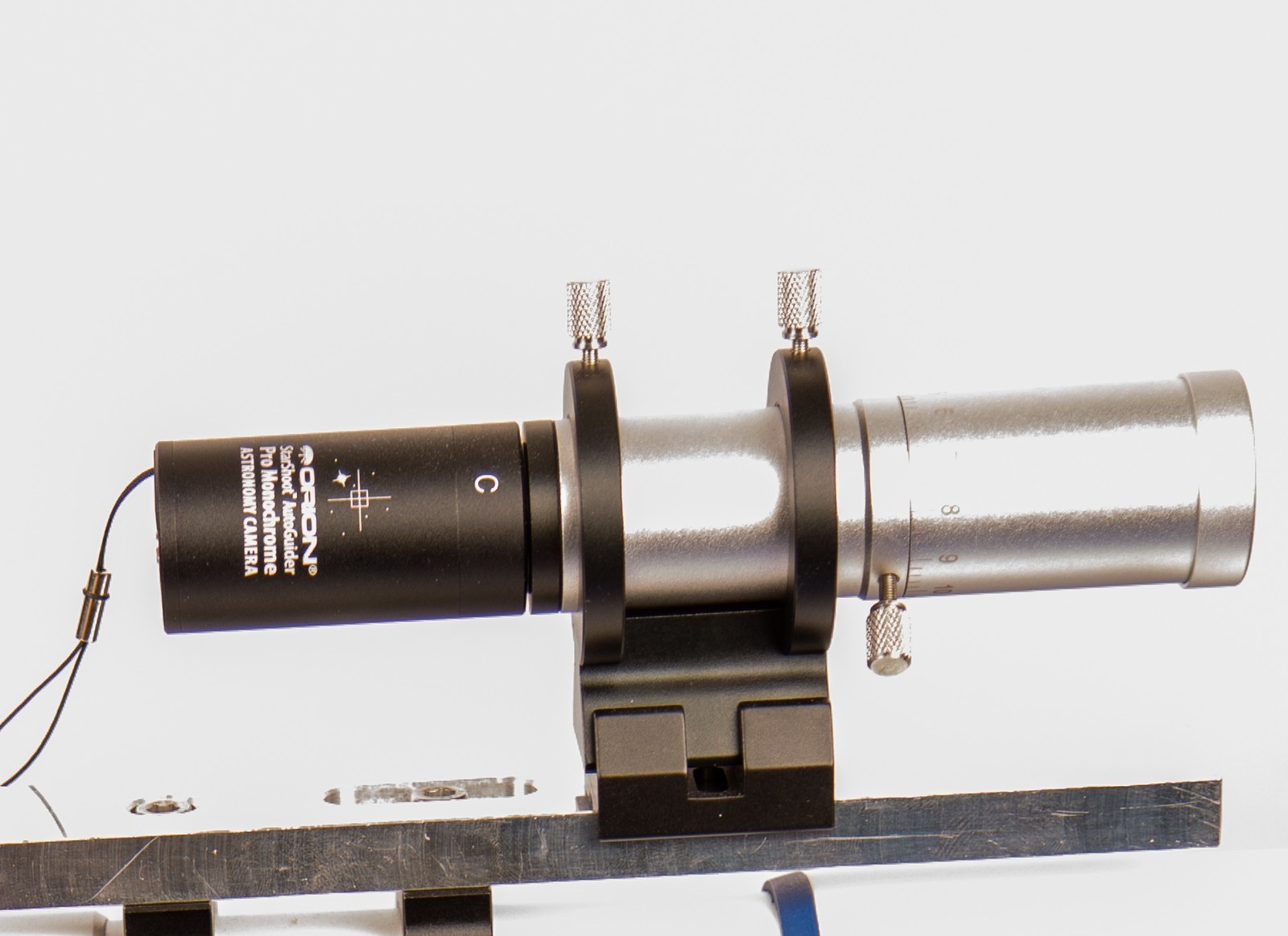
Orion StarShoot AutoGuider Pro earns the nod when the job is guiding a deep-sky rig: the package joins the AutoGuider Pro Mono camera with a 30mm Ultra-Mini Guide Scope. Its description frames the setup as compact and lightweight for portable astrophotography rigs, with long-exposure imaging and common guiding software in view. The 1.25 in item diameter and named compatible model add concrete definition to the setup. The tradeoff is that it is marked used, and its guiding focus does not match a shopper seeking direct planetary video and photo capture. Choose it for telescope guiding hardware in one bundle; choose the planetary camera when capture features are the priority.
Final choice by use case
- For planetary video and photos: Pick the Astronomy Planetary Camera for its 8MP CMOS, 4K video, 64MP photo, and WiFi emphasis.
- For deep-sky long exposures: Pick Orion StarShoot AutoGuider Pro because its camera-and-guide-scope package is explicitly oriented toward guiding.
- For model-specific fit information: Orion has the clearer named connection, with "Orion StarShoot AutoGuider Pro" listed as the compatible model.
- For a new-condition capture camera: The Astronomy Planetary Camera is the direct match, while Orion is marked used.
The key distinction is simple: the Astronomy Planetary Camera is aimed at recording planetary images, while Orion StarShoot AutoGuider Pro is aimed at helping a telescope track during deep-sky imaging. Match the camera to that job before weighing the $16.59 difference.