Choosing astronomy eyepieces & filters often comes down to one practical question: do you want to look through the telescope with adjustable magnification, or view and record through an electronic screen? The 1.25-inch Full Multi-Coated 8-24mm Zoom Telescope Eyepiece focuses on direct observation and flexible focal length. The Telescope Eyepiece Camera adds a 4K display, digital zoom, and recording-oriented features. Here is how the two formats differ so you can match the purchase to your observing style.
Quick verdict
Choose the 1.25-inch Full Multi-Coated 8-24mm Zoom Telescope Eyepiece if you want a straightforward eyepiece with continuous 8-24mm zoom and a listed price of $24.79. Choose the Telescope Eyepiece Camera if its 4K resolution, 3-inch color display, five digital-zoom levels, and recording functions matter more than the higher $42.10 price.
At a glance
| Key point | 1.25-inch 8-24mm Zoom Eyepiece | Telescope Eyepiece Camera |
|---|---|---|
| Listed price | $24.79 | $42.10 |
| Main format | Eyepiece lens with continuous 8-24mm zoom | Electronic eyepiece camera with 3-inch color display |
| Notable feature | Full multi-coated optical lens and 1.25-inch diameter | 4K resolution, five digital-zoom levels, built-in battery |
| Compatibility listed | Universal brand, model, and series | Universal brand, model, and series |
Where each product wins
- Direct telescope viewing: The 8-24mm Zoom Eyepiece is the clearer fit because its title and attributes identify a conventional zoom eyepiece with a 1.25-inch diameter.
- Screen-based observing: The Telescope Eyepiece Camera stands out for its 3-inch color display and electronic viewing format.
- Adjustable optical range: The zoom eyepiece lists continuous 8-24mm focal length, while the camera lists five digital-zoom levels rather than an 8-24mm optical range.
- Lower listed price: The zoom eyepiece is $17.31 below the $42.10 camera.
Product notes
1.25" Full Multi-Coated 8-24mm Zoom Telescope Eyepiece
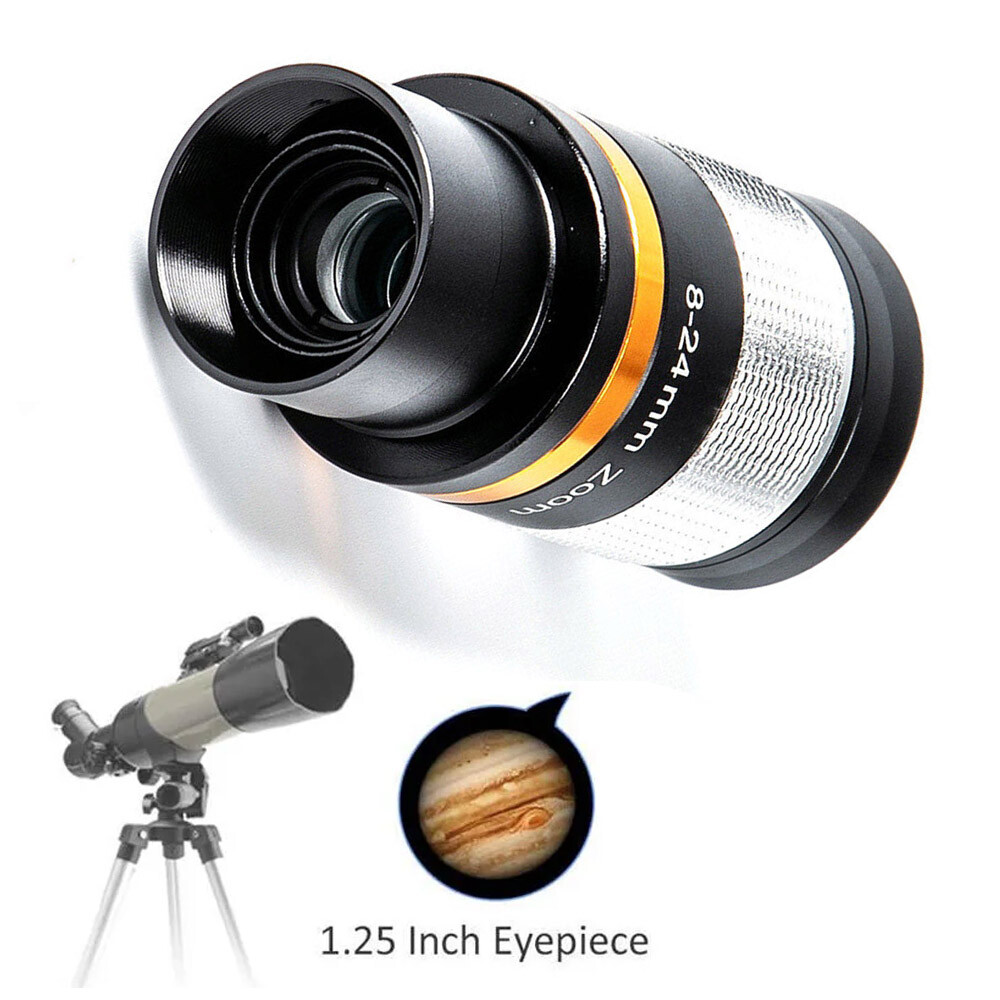
This is the more direct choice for someone who wants a conventional astronomy eyepiece rather than a screen-based accessory. Its continuous 8-24mm focal length gives you one adjustable eyepiece instead of a single fixed focal-length description, and the 1.25-inch diameter is clearly stated for standard telescope use. The full multi-coated optical lens and multilayer anti-reflection green film are also named features. At $24.79, it has the lower listed price by $17.31. The main limitation is its defined optical format: the listing centers on a 1.25-inch zoom eyepiece, so it does not provide the 3-inch color display, built-in battery, or digital recording controls that define the electronic camera alternative.
Telescope Eyepiece Camera For Astronomy 4K 3 Inch Color Display Electronic Lense
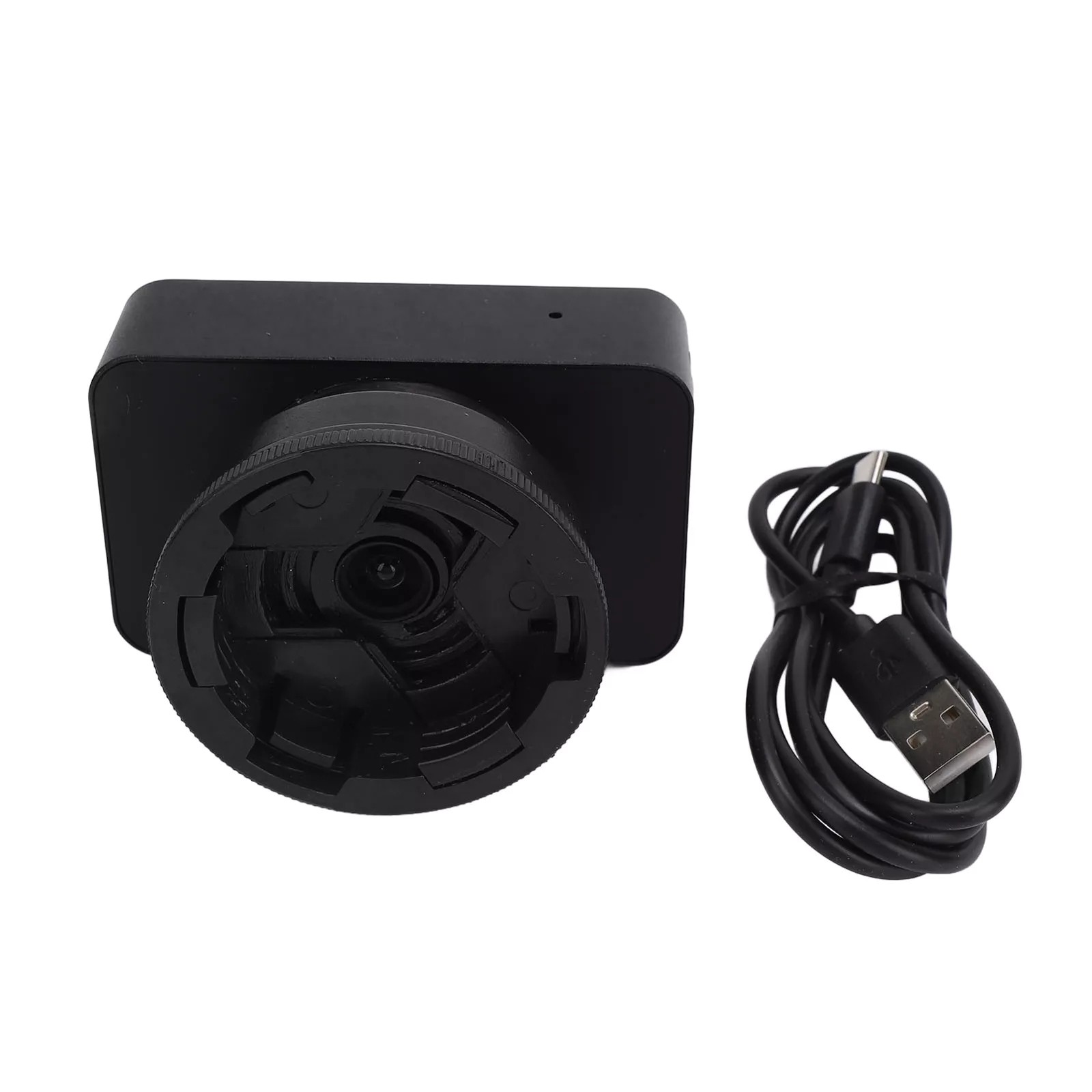
The Telescope Eyepiece Camera is the more suitable pick when the observing experience should happen on a screen. Its title identifies 4K resolution and a 3-inch color display, while the description adds five digital-zoom levels, a built-in battery, a Type-C charging port, and support for a small memory card up to 128GB, with the card not included. Those details make it the more feature-specific option for capturing images or videos of the moon and planets. The trade-off is its $42.10 listed price, which is $17.31 above the zoom eyepiece. It also represents a different workflow: electronic display and recording rather than the adjustable 8-24mm direct-viewing format of the first eyepiece.
Final choice by use case
- Choose the 8-24mm Zoom Eyepiece for direct viewing, a continuous 8-24mm focal-length range, a 1.25-inch format, and the lower $24.79 price.
- Choose the Telescope Eyepiece Camera for a 3-inch color display, 4K output, five digital-zoom levels, and recording-oriented moon and planet viewing.
- If compatibility is your deciding factor, both products list universal compatibility for brand, model, and series, so that field does not separate them.
The decision is therefore less about a shared compatibility label and more about how you observe: adjustable optical viewing with the zoom eyepiece, or electronic display and capture with the telescope camera.