For bright Moon and planet sessions, the key choice is whether you need a dedicated way to tame glare or are actually looking for a different eyepiece view. The 1.25" Linear Polarizing Filter is aimed at the first job, with adjustable brightness and a listed price of USD 24.12.
Quick verdict
Choose this astronomy eyepiece filter when bright celestial objects are difficult to view because of glare or excessive brightness. Its stated purpose is to reduce stray light, boost contrast, and let you fine-tune the darkness level. It is not intended to provide a new magnification or a wider field of view. The accessory is specified in a 1.25-inch (31.7 mm) format, making that size the main setup detail to consider.
Product note
1.25" Linear Polarizing Filter for Telescope Eyepiece - Adjustable Moon & Planet
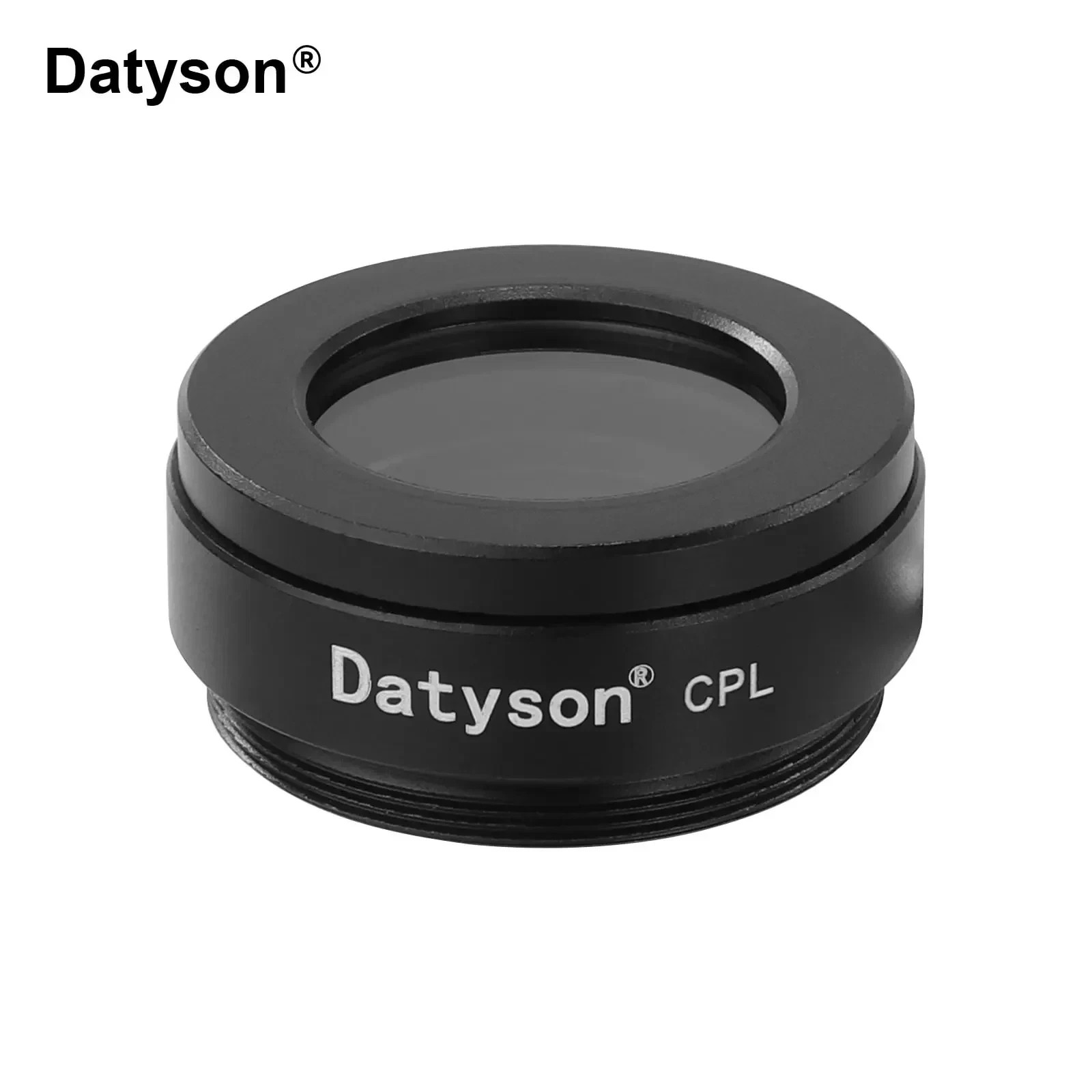
The clearest reason to choose this filter is its adjustable polarizing design. It can be used singly as a moon filter for general dimming, while its stated use also covers bright planetary viewing. The description connects the contrast boost with details such as lunar craters and planetary features, giving it a focused role for observers who spend time on the Moon and planets.
The limitation is the construction: the optical lenses are acrylic rather than glass. That is not automatically a problem, but shoppers who specifically want a glass filter should treat the material as an important trade-off. The 1.25-inch format is another concrete constraint, since the filter is presented in that size rather than as a universal accessory.
Who it suits
This filter makes sense for beginners and enthusiasts who want a single accessory for managing brightness during lunar and planetary observation. It is especially relevant if your viewing routine centers on bright targets and you prefer adjustable dimming over a fixed filter effect.
It is less suited to a shopper whose main goal is a wider-angle telescope eyepiece, a new magnification level, or a nebula-filter setup. Those needs concern a different type of accessory than the polarizing filter described here.
What stands out from the listed details
The polarizing format gives the accessory a practical adjustment feature rather than a one-level brightness change. The combination of glare reduction and contrast enhancement also keeps the use case specific: this is for making bright targets easier to manage visually, with the Moon and planets named as the primary subjects.
Its single-filter use as a moon filter adds flexibility within that narrow purpose. The acrylic lens construction keeps the price and material choice clear without suggesting a glass equivalent.
Meaningful trade-offs
The product has a focused role. It can address glare and brightness during Moon and planet viewing, but it is not a substitute for an eyepiece when the desired change is magnification or viewing width. Its 1.25-inch size also means the format must match the eyepiece setup you plan to use.
Bottom line
For USD 24.12, the 1.25" Linear Polarizing Filter is a targeted add-on for observers focused on bright lunar and planetary objects. Choose it for adjustable dimming, glare reduction, and the ability to use it as a moon filter. Choose a different type of accessory if your priority is magnification, a wider-angle view, or glass rather than acrylic lenses.